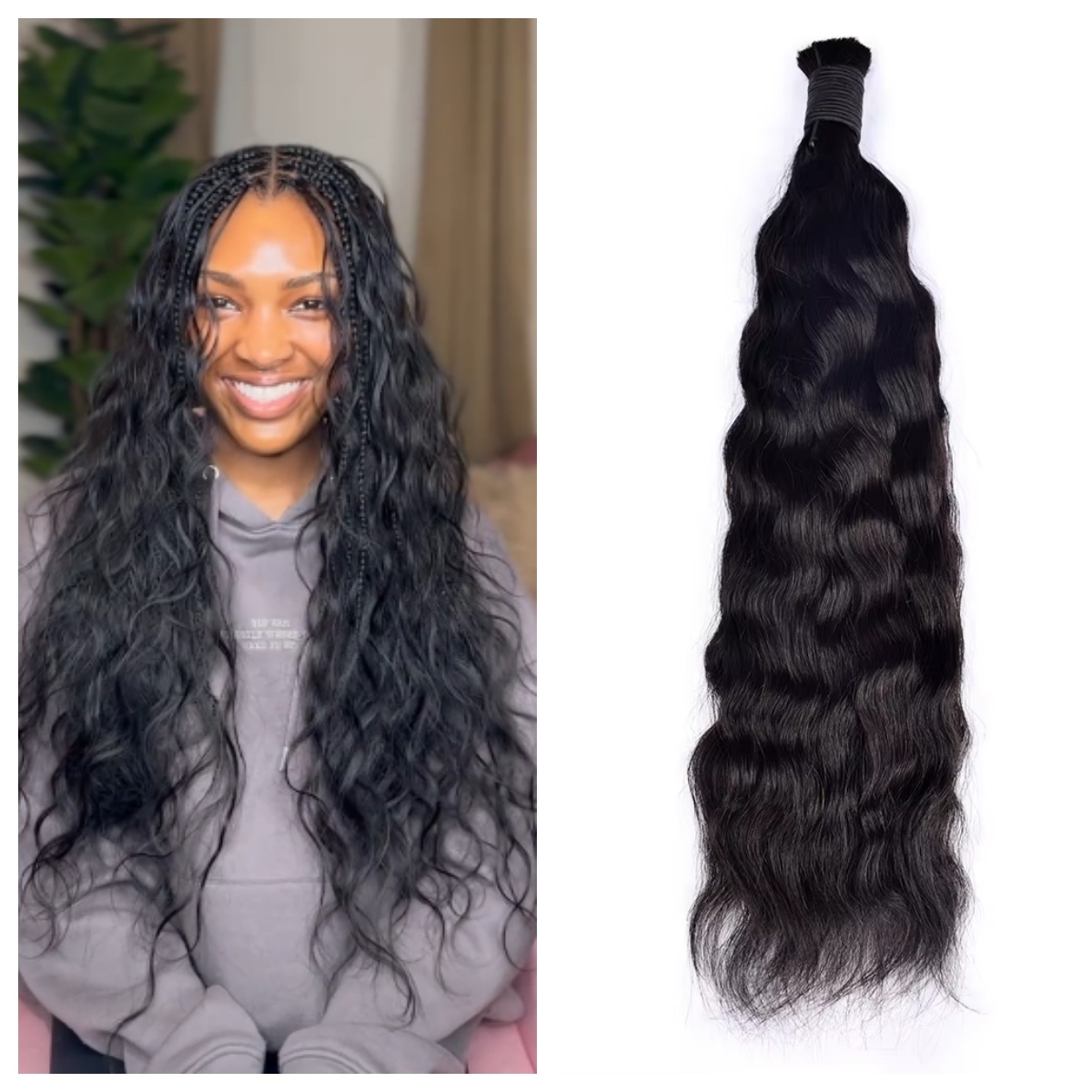
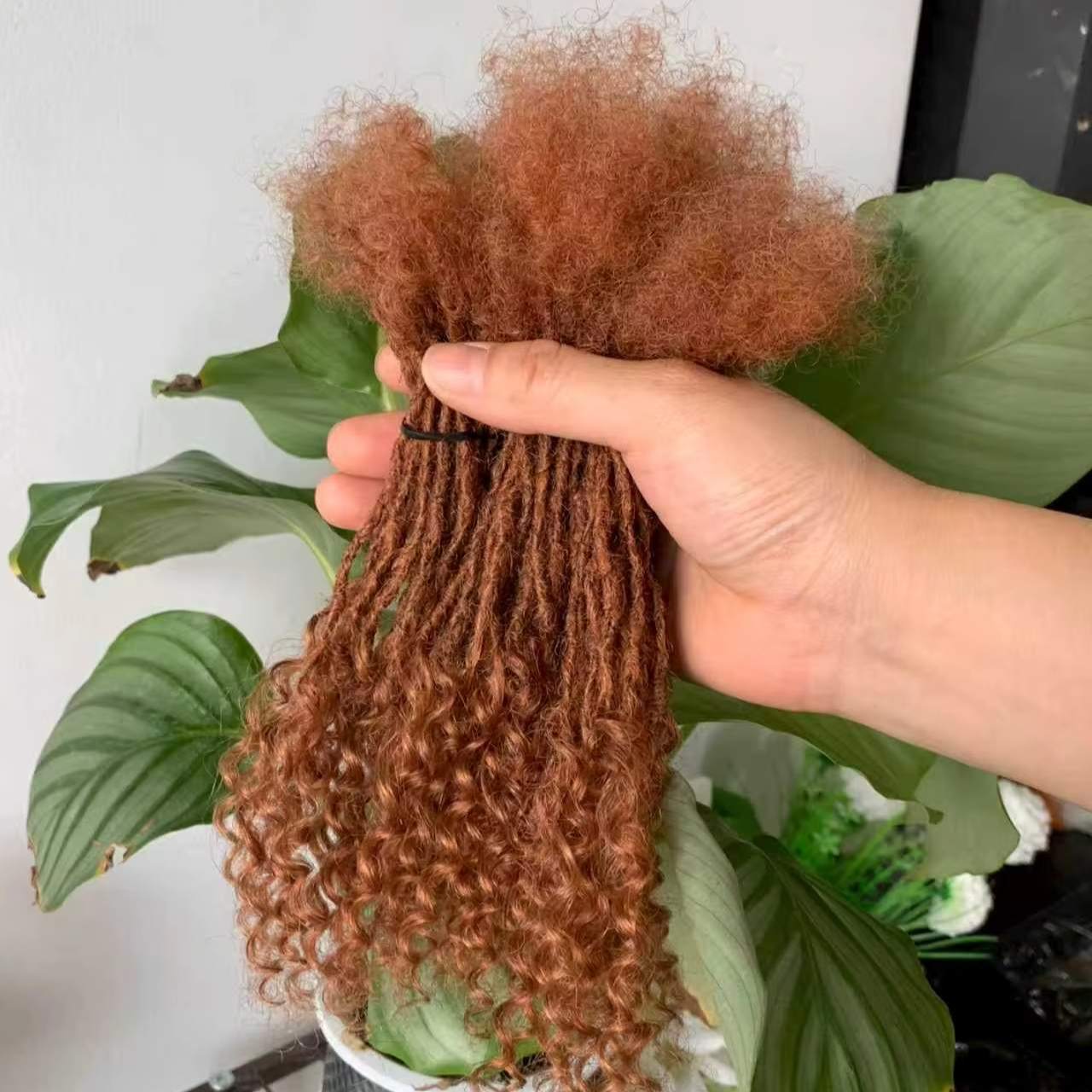
A hair product that looks correct in its supplied shade can still be unusable for a colour-service salon, because the lightening stage exposes processing history that the finished appearance conceals.
1. Why Pre-Coloured Stock Limits the Salon
Hair that has already been through a dye process carries a chemical history. Lightening it again compounds the damage, and the result depends on what was applied previously — information the buyer rarely has in usable detail.
For a salon whose revenue depends on colour work, unprocessed virgin bulk is the more flexible input, because the lightening decision happens in the salon where it can be controlled.
2. What to Ask Before Committing
Ask whether the hair has been processed, what finishing treatment was applied, and whether the supplier will confirm lightener compatibility in writing for the specific lot. A verbal assurance is not a specification.
3. Running a Pre-Order Test
Test on a small section from the actual lot, not from a marketing sample: apply the lightener the salon actually uses, at the strength the salon actually uses, and observe both the colour lift and the wet-to-dry behaviour afterwards.
Record the outcome with photographs at fixed intervals. The failure mode to watch for is not an uneven lift but a change in texture after washing, which appears a day later and is what the client notices.
4. Communicating Limits to the Client
Even virgin hair has a lift ceiling. Salons that state the ceiling before the appointment avoid the refund conversation afterwards, and the supplier is not the party who should be blamed for a client expectation that was never set.
5. Structuring the Supply Relationship
Where colour work is central to the business, buy the input on specification rather than on shade. The shade can be created; the processing history cannot be undone.