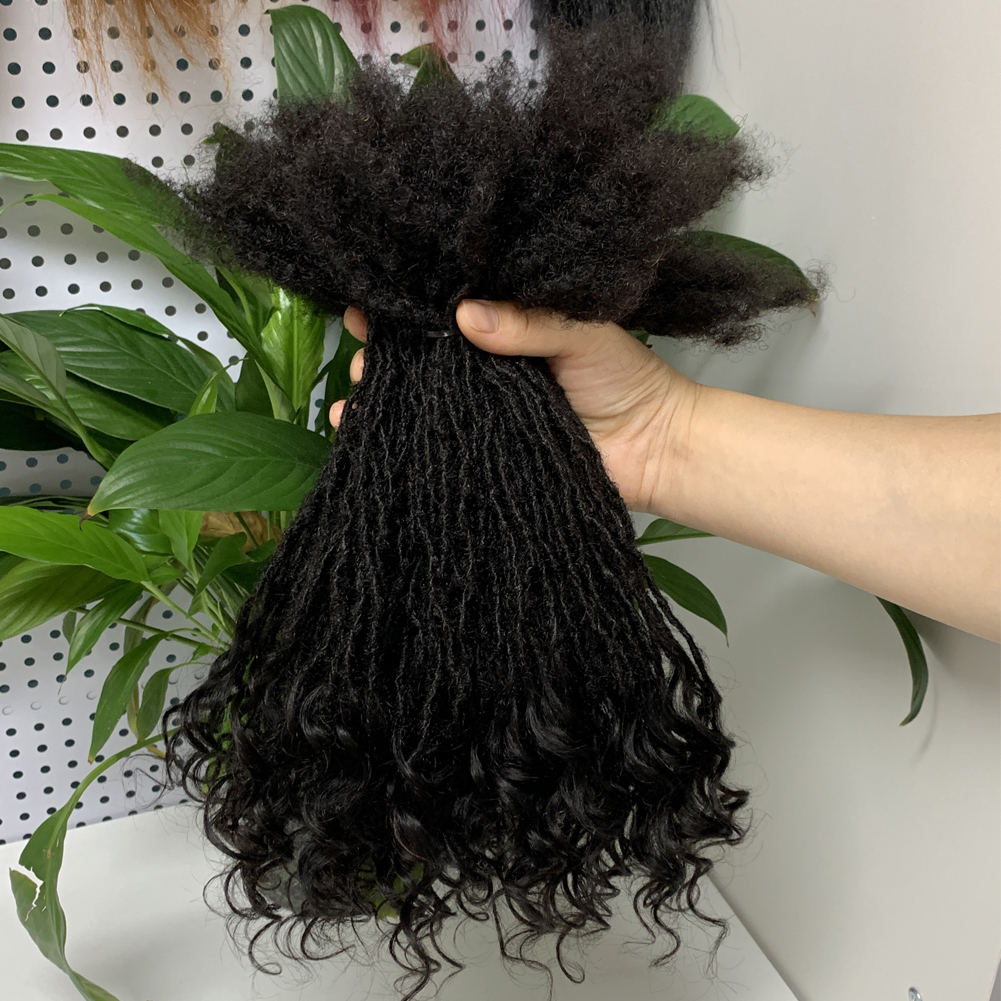
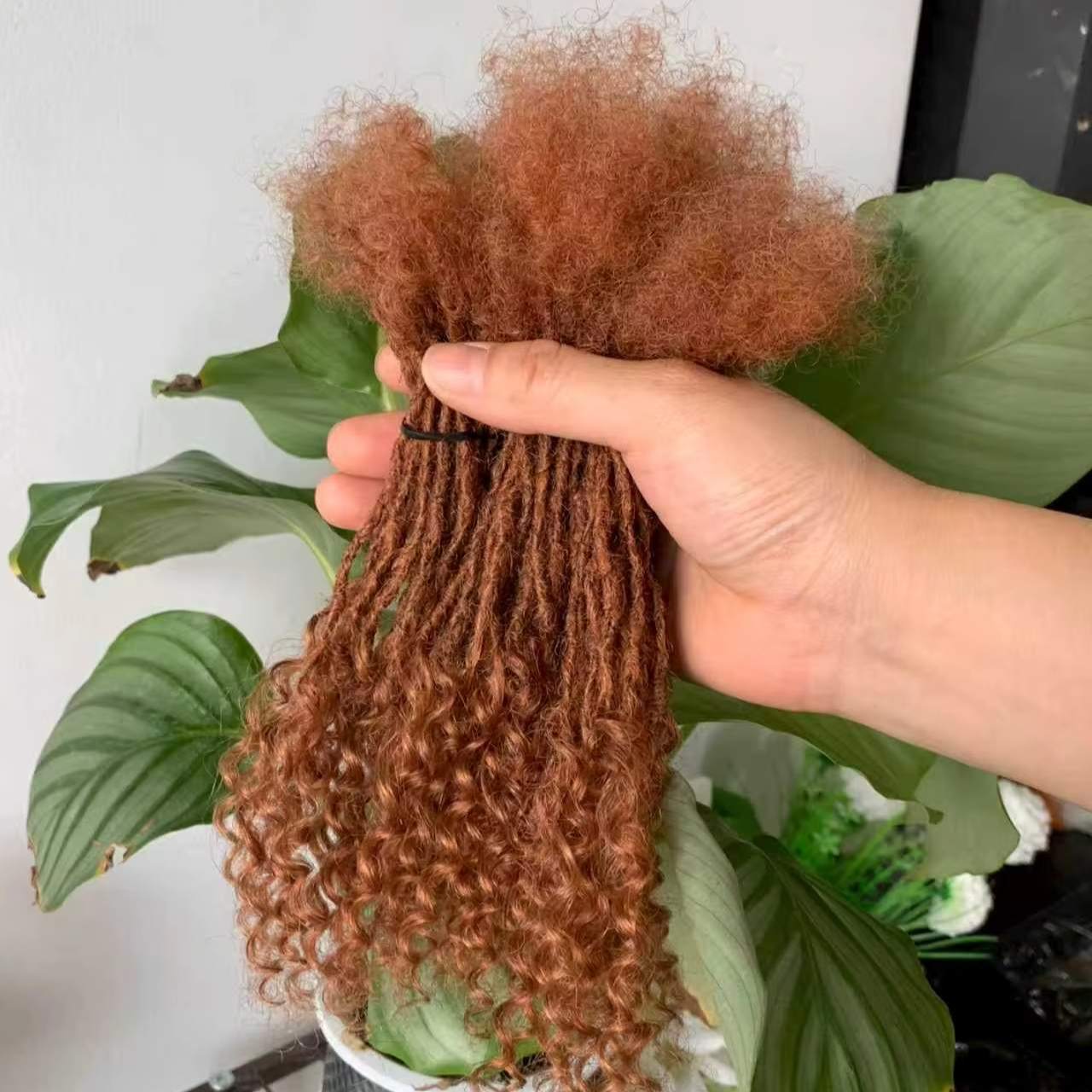
Private label lets you put your name on the product and own the customer relationship. It also puts your name on the packaging, which makes trademark clearance and labelling a brand-launch task rather than an afterthought.
1. Clearance Before Commitment
Search your proposed brand name in the markets you intend to sell before ordering printed packaging. A packaging run committed against an uncleared name is difficult to recover, and reprinting is a hard cost.
Registration and clearance are separate steps. Clearance tells you whether you can use the mark; registration secures the right to exclude others. Starting with clearance is the lower-cost order.
2. What Belongs on the Label
Retail-facing hair packaging commonly carries brand identity, product description, material content, hair length and weight or strand count, along with care and origin information. Requirements vary by destination market and by channel.
Destination-market rules differ enough that label content should be decided per market rather than produced as a single global version and applied everywhere.
3. Descriptions That Must Stay Literal
Hair origin, texture and processing claims should describe the goods accurately. Terms such as virgin or remy carry specific technical meanings, and a loose use of them creates both compliance exposure and repeat purchase problems.
The same applies to strand count and weight. If the label states a count, the packed unit should meet it, because under-filled units surface as reviews rather than as claims you can resolve internally.
4. Coordinating With the Factory
Give the factory the exact approved label copy and layout, and require that it be applied as specified. Confirm which party corrects a mislabelled batch - a point worth spelling out before the run rather than after.
Keep an approved physical reference of the finished labelled unit. It becomes the standard against which every repeat order is checked.