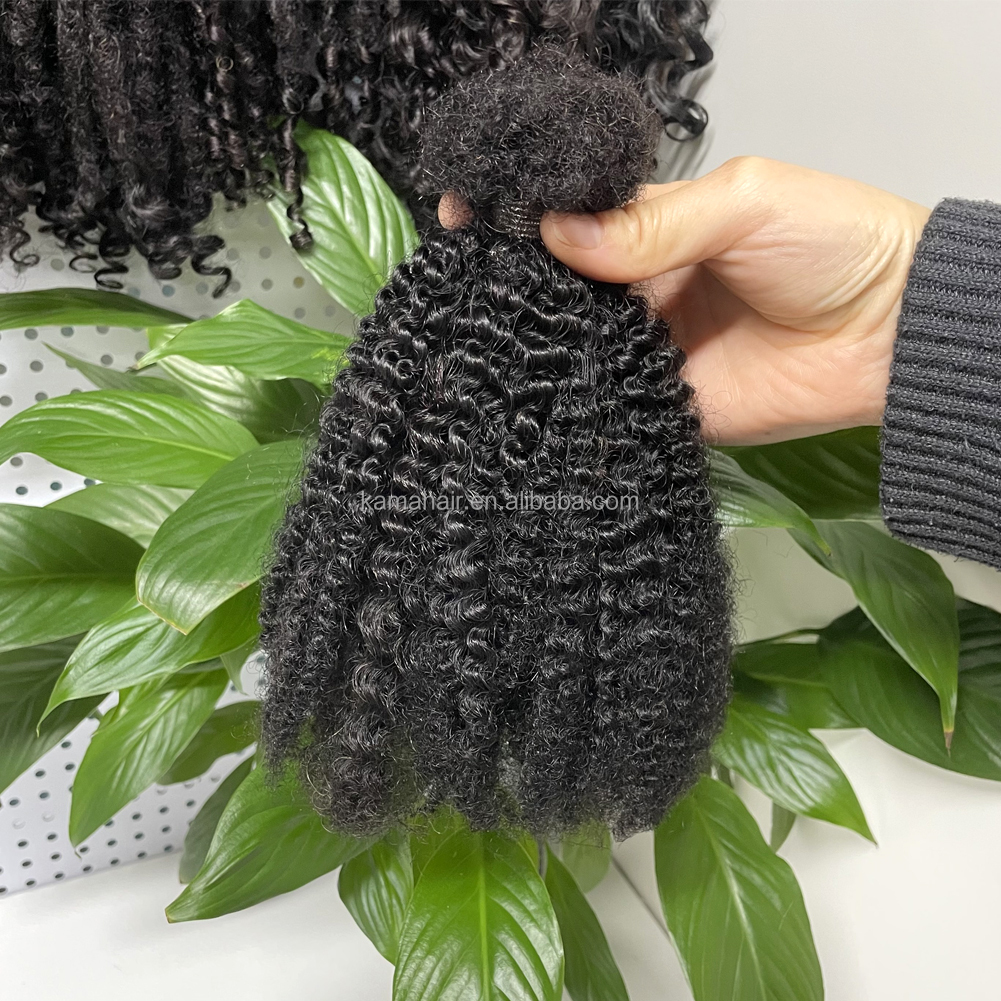
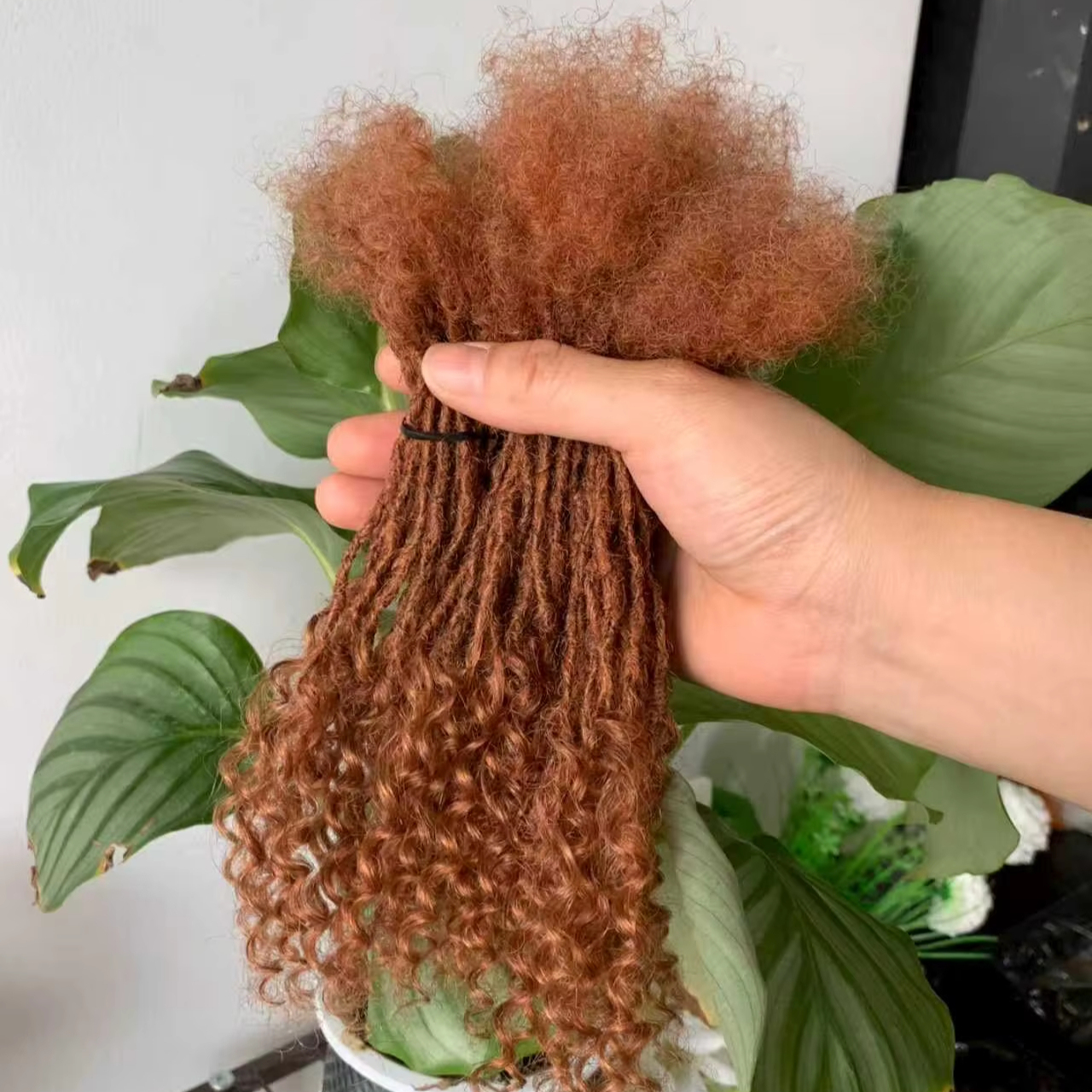
The most expensive lesson in hair importing is discovering a quality problem after the container has cleared customs. Vetting a supplier properly before the first bulk order costs a few weeks; skipping that vetting can cost an entire season of stock.
1. Documentation and Compliance Checks
Start with paper, not product. Request the business licence, export licence, and any material or chemical treatment declarations relevant to the finishes you are buying. If a supplier cannot produce a consistent set of documents for their own export business, they are very unlikely to produce consistent documentation for your customs clearance either.
Confirm the legal entity name matches the bank beneficiary name on the invoice. Discrepancies between the contracting entity and the receiving account are one of the clearest early warning signals in cross-border sourcing.
2. Raw Material Traceability
Ask directly which origin the raw hair comes from, whether it is single-donor or blended, and whether the cuticle is aligned in one direction. Cuticle alignment is the single biggest determinant of tangling and matting behaviour after the client's first few washes, and it cannot be corrected downstream.
A supplier who cannot answer the traceability question with specificity - and who cannot show you a batch reference linking a finished bundle back to a raw lot - is buying on the open market rather than controlling their own input. That introduces batch-to-batch variation you will have to absorb in customer service.
3. Production Floor Observations
On the floor, look for three things: whether interlocking or wefting is done by trained operators on dedicated stations, whether finished goods are segregated by batch, and whether there is a documented in-process check rather than a single final inspection.
Ask to see the reject pile. Every factory has one. A factory that claims zero defects and shows you nothing is telling you the inspection step does not exist.
4. Pre-Shipment Inspection Protocol
Before goods leave, test against your own written standard rather than the supplier's. Weigh a sample of bundles to confirm the declared gram weight, measure strand length against the specification, run a shed test by combing a fixed number of strokes, and compare colour against your approved master shade card under neutral light.
Record the results with batch codes and photographs. That record becomes the baseline for every repeat order - and the evidence base if a future batch drifts.