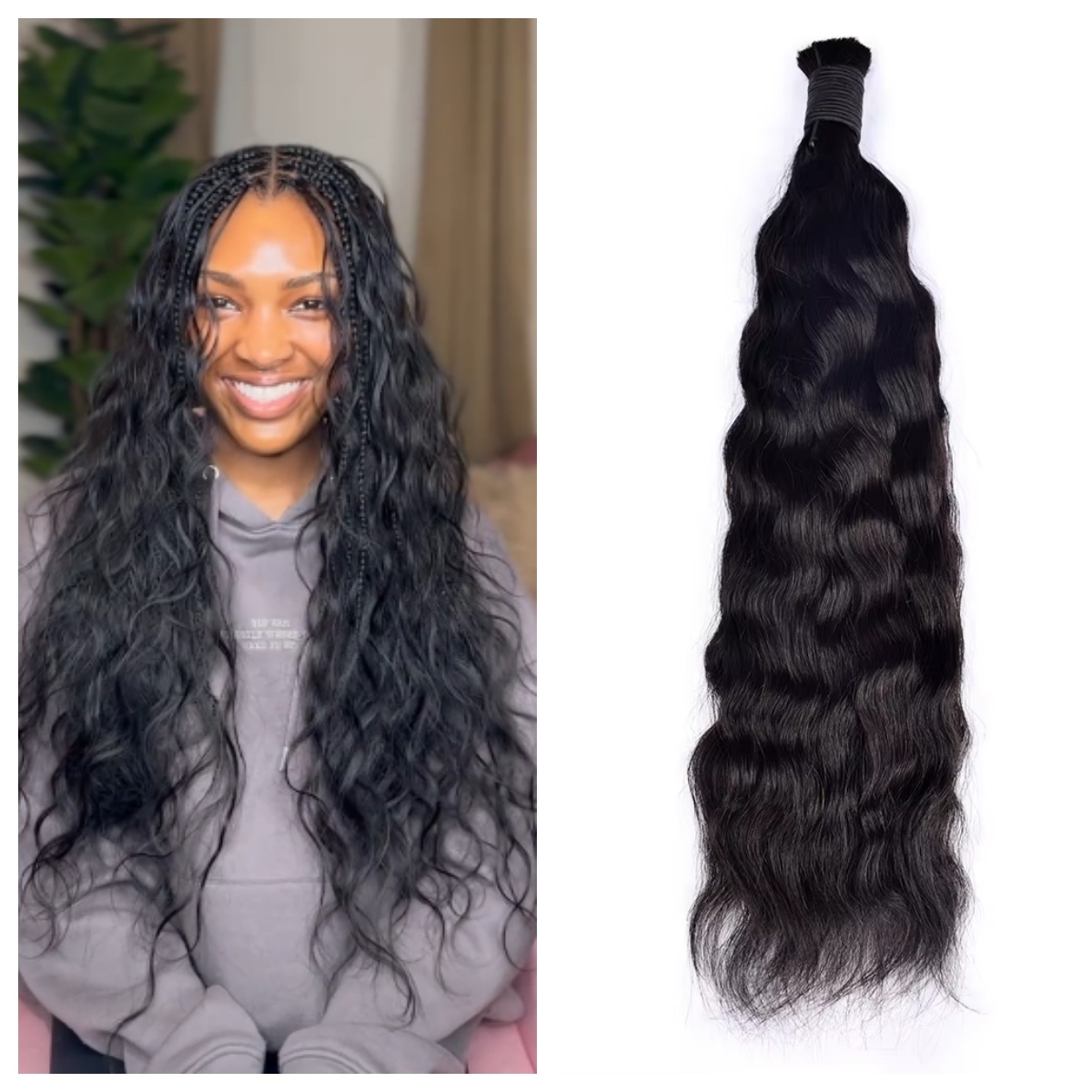
Bulk hair is sold by weight, but weight is not a fixed property of hair. It moves with moisture, and that single fact creates most of the disagreement between what a supplier ships and what a buyer believes they received.
1. Weight Is Conditional on Moisture
Human hair absorbs and releases atmospheric moisture, so the same bundle weighs differently depending on how it has been stored and how humid the air is when it is weighed. A conditioning treatment or finishing wash also raises measured weight.
This does not make weight meaningless - it makes it necessary to specify the condition under which weight is declared. Without that, both sides can be measuring honestly and still disagree.
2. How to Check Incoming Consignments
Sample rather than weigh everything. Pull units across cartons, weigh on a calibrated scale, and record results against the declared figure with the storage condition noted.
Where variance appears, check whether it correlates with carton position or packaging type. A pattern points to a process cause; random scatter points to measurement noise.
3. The Tests Worth Doing Alongside Weight
Weight alone cannot distinguish a well-prepared bundle from a heavy one. Shedding behaviour under a comb, texture consistency across the bundle, and strand-length uniformity together describe what the client will actually experience.
Running these at intake converts a quality dispute into a documented inspection result, which is what makes a claim resolvable.
4. Writing the Specification Into the Order
State the declared weight basis, the conditioning assumed, and the acceptable tolerance band in the purchase order. Agreement on the measurement method resolves most weight disputes before they occur.
Keep the intake records. A short documented history is far more persuasive in a supplier conversation than a single disputed consignment.