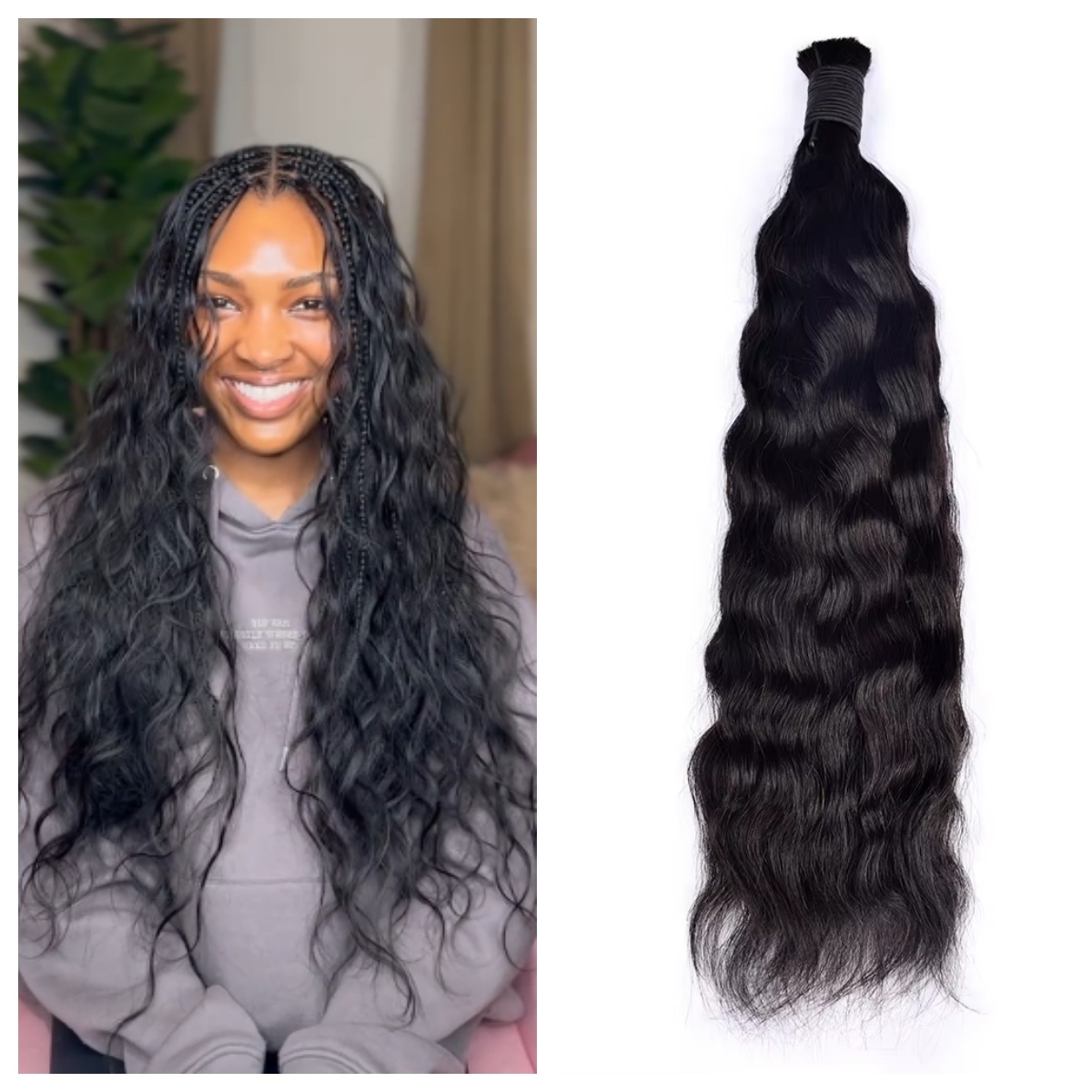
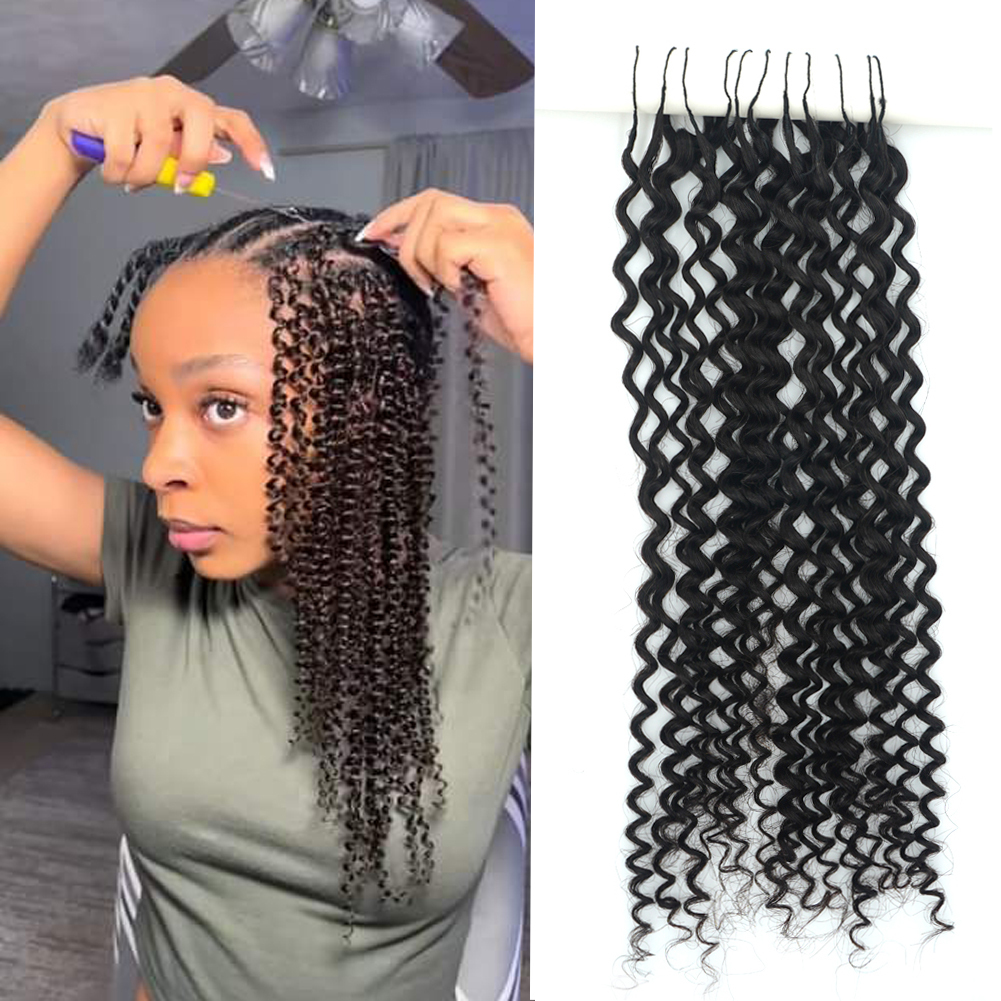
Duty is not negotiated at the invoice stage. It is determined by the tariff heading that describes the goods, and the same shipment can be declared under more than one heading by people acting in good faith.
1. The Distinctions That Matter
The tariff schedule separates raw human hair from processed or dressed hair, and separates both from articles made of hair. Wigs and made-up hair articles sit in a different heading again. Blends with synthetic fibre move the classification toward the synthetic component.
The practical consequence: a bulk braiding product and a finished loc extension are not the same goods for customs purposes, even when they ship in the same carton.
2. Who Is Liable for the Code
In most jurisdictions the importer of record is liable for the classification declared, regardless of who suggested it. A supplier's suggestion is helpful context, not a defence.
3. Documents That Support a Classification
Keep a material composition statement, a description of processing steps, photographs of the goods as shipped, and the commercial invoice with a description matching the declared heading. Where a ruling has been obtained, keep it with the entry file.
4. Mixed Consignments
A container holding bulk hair, interlocked locs and packaged retail units contains goods that may not share a single heading. Declaring the consignment under one code because it arrived on one pallet is the most common avoidable error in the category.
5. Managing the Exposure
Ask the supplier for the composition statement at quotation stage, not at shipment. Where a heading is genuinely ambiguous, request a written ruling before scaling the order rather than after the first assessment arrives.