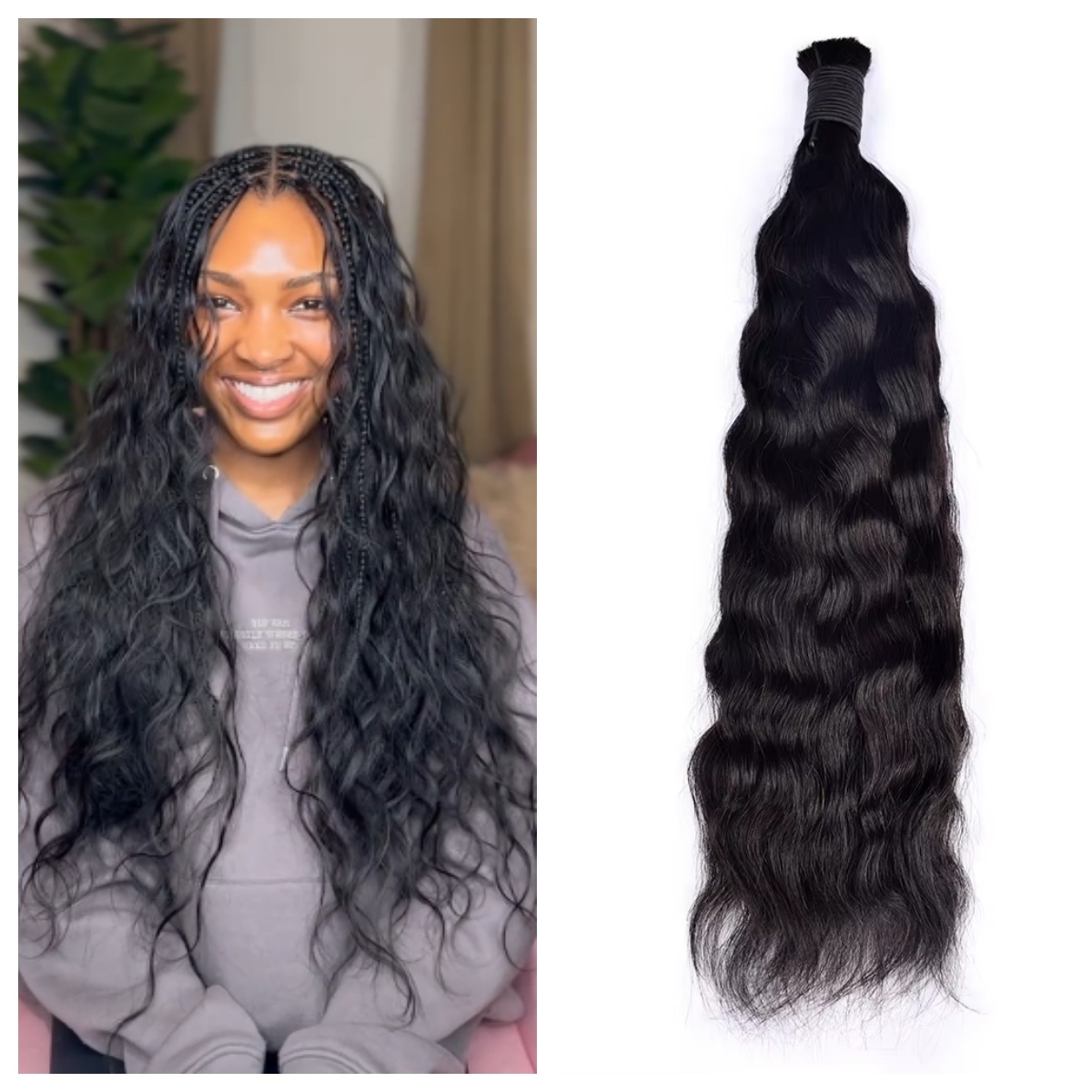
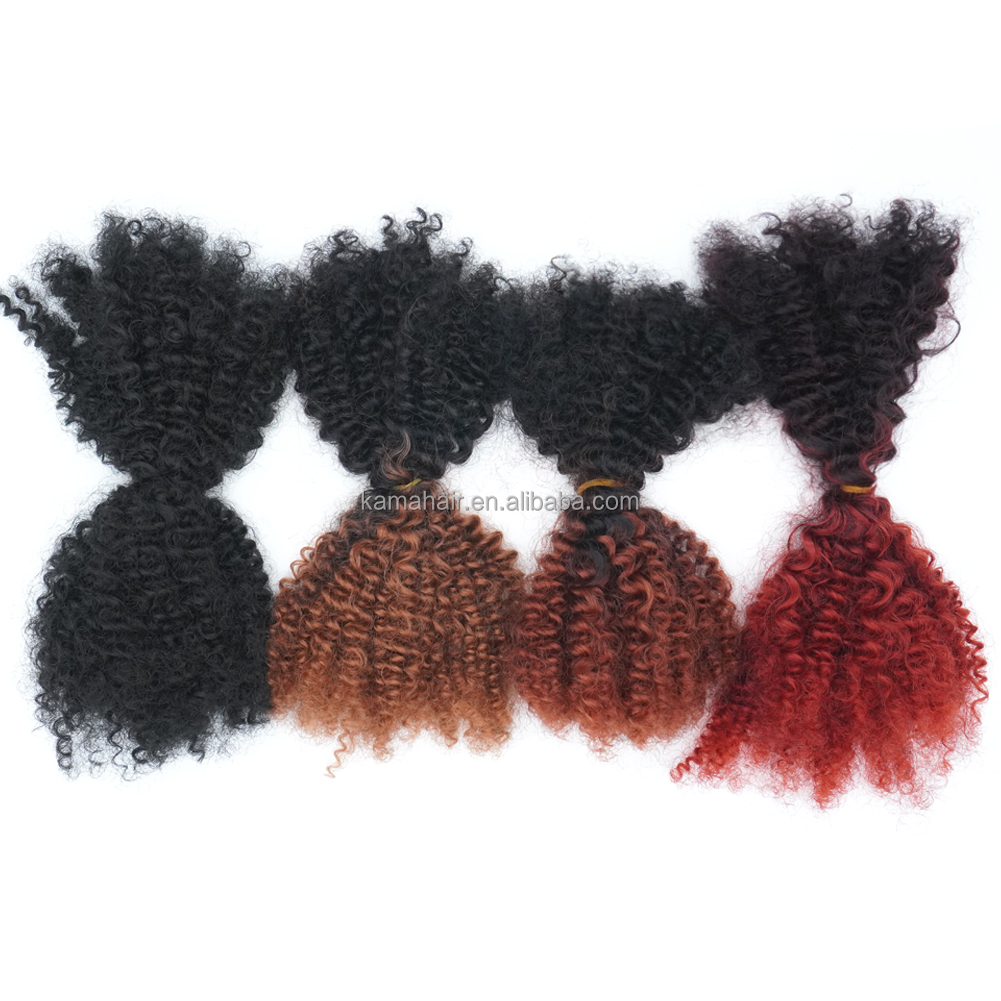
A private label launch fails more often on packaging sequencing than on hair quality. Brands commit to packaging volumes before the format is proven, then discover the pouches do not fit the bundle and the artwork is locked to a supplier.
1. Two MOQs, Not One
A private label order carries two independent minimums: one for the hair itself and one for the printed packaging. Whichever is higher governs the run, and packaging minimums are frequently the binding constraint because printing is set up per design.
Because pricing is tiered against total volume, the practical question is not the minimum but the quantity at which packaging setup cost stops dominating unit cost. That break-even quantity is what your quotation should be built around.
2. Artwork Ownership Decides Brand Value
Establish in writing that print-ready artwork, plates and dielines are produced for you and released on request. Without that clarity, changing packaging suppliers later can mean recreating the design from scratch.
Also confirm who holds the packaging tooling. A cutting die that lives with the printer is a small detail with large switching costs.
3. Sequencing the First Run
Prove the format before committing to volume: sample the pouch or box with a small hair quantity, check fill, presentation and transit durability, then scale. Physical samples resolve fit problems that mockups cannot.
Print colour is a second common surprise. Screen colour and printed colour differ, so approve a physical proof rather than a digital one.
4. Lead Time Is Cumulative
Total lead time runs packaging production plus hair production plus assembly plus freight - and packaging and hair typically run in parallel only if both specifications are frozen at the same time. Late packaging artwork delays the whole run.
Freeze hair specification, packaging specification and artwork together, then take the production slot. Confirm current MOQ, lead time and tiered pricing through a direct quotation.