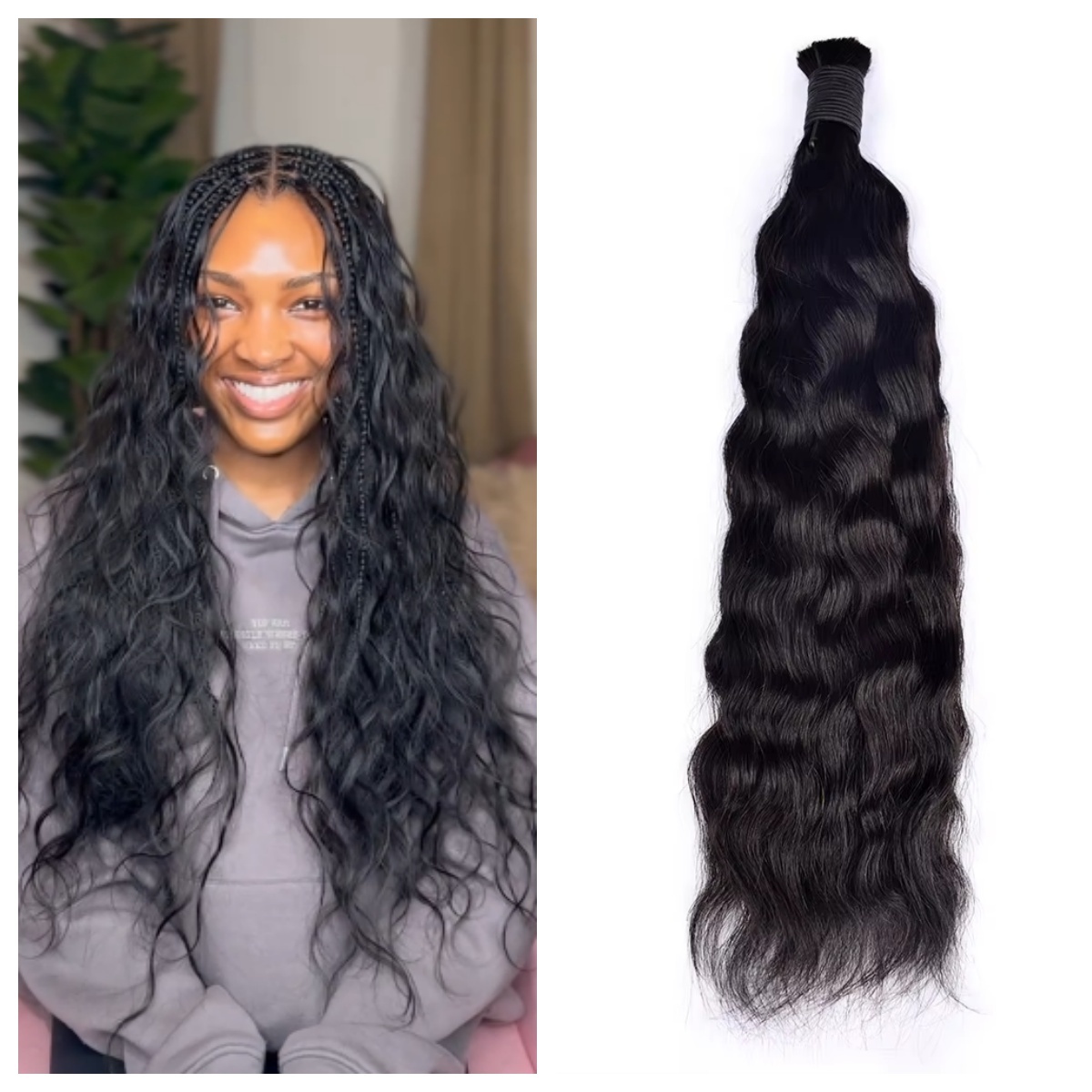
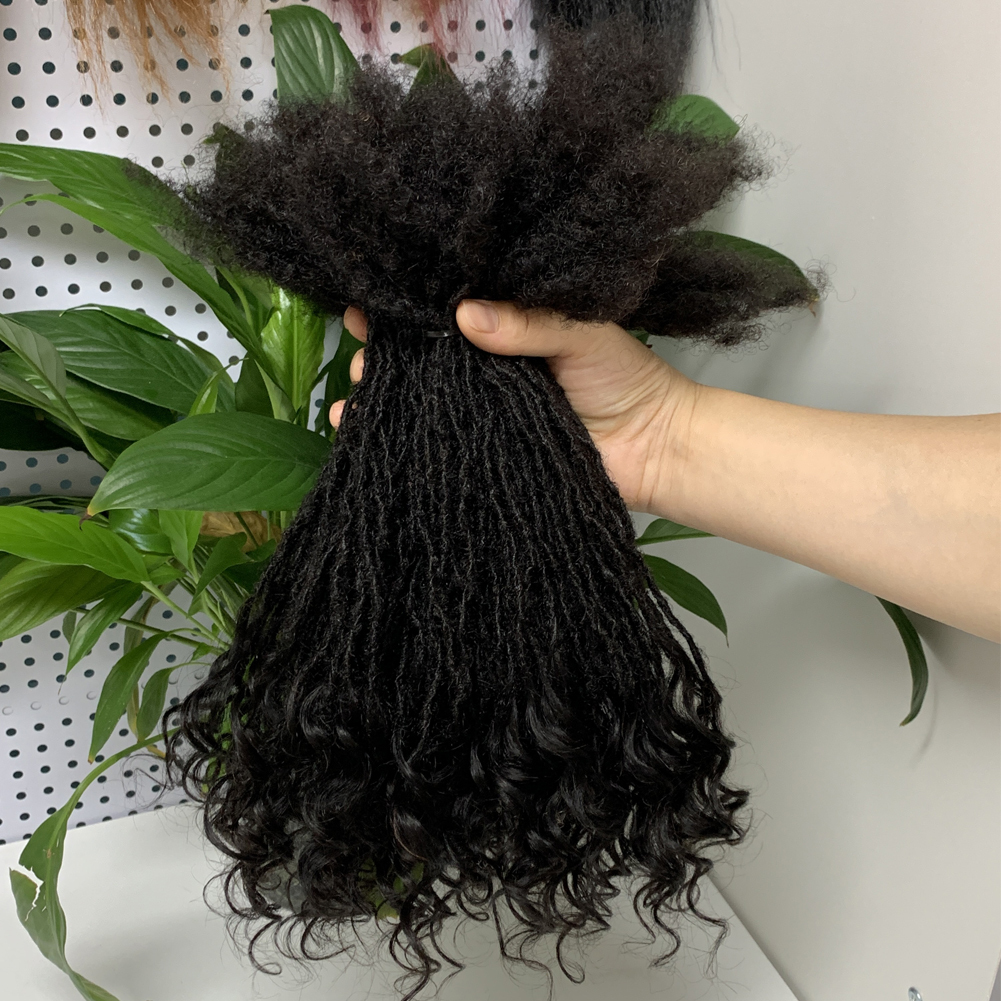
Brand owners frequently use "private label" and "white label" as if they were interchangeable. In hair manufacturing they describe two genuinely different supply relationships - and choosing the wrong one at launch stage is one of the most expensive mistakes a new brand can make.
1. What "White Label" Actually Means in Hair Manufacturing
With white label, you buy an existing product specification and apply your own branding to it. The construction, density, length matrix and colour options are already fixed by the factory. You choose the labels, the hangtag and the master carton print - nothing more. Turnaround is short because no new tooling or new handcraft specification is required.
The trade-off is differentiation. If three other sellers buy the same white label loc specification, all four of you are competing on price for an identical product. White label works well for testing demand quickly, but it is a poor foundation for a brand you intend to defend.
2. Where Private Label Changes Your Unit Economics
Private label moves you upstream. You define the specification: strand diameter, curl pattern retention, taper, tip finish, colour range and packaging format. The factory then manufactures to your written specification and that specification is yours - competitors cannot buy it off the shelf.
The cost impact is usually front-loaded rather than ongoing. Expect a one-time setup stage for artwork origination and, where relevant, custom packaging tooling, followed by a higher minimum order quantity than white label. Once you are ordering at volume, the per-unit gap between the two routes narrows considerably, which is why established brands almost always migrate to private label.
3. MOQ, Tooling and Timeline Differences
The practical decision drivers are almost always MOQ measured in strands or kilograms, artwork origination cost, and production lead time. White label can typically be shipped from existing stock runs. Private label requires a production slot, which is why handcrafted loc and micro-loc private label orders carry longer lead times than bulk hair.
If you are launching a holiday collection, the production slot must be booked against the handcraft calendar rather than treated as an on-demand purchase. Plan backwards from your landing date, not forwards from your order date.
4. Which Route Fits Which Business Model
Choose white label if you are validating a market, running a small salon-side retail shelf, or testing a new length or colour before committing capital. Choose private label when your brand promise depends on a specific feel, a specific shed performance, or a specific shade that must stay consistent across repeat orders.
A pragmatic path used by many of our B2B buyers is a staged migration: launch on white label to establish sell-through data, then convert the two or three best-performing SKUs into private label specifications once demand is proven.