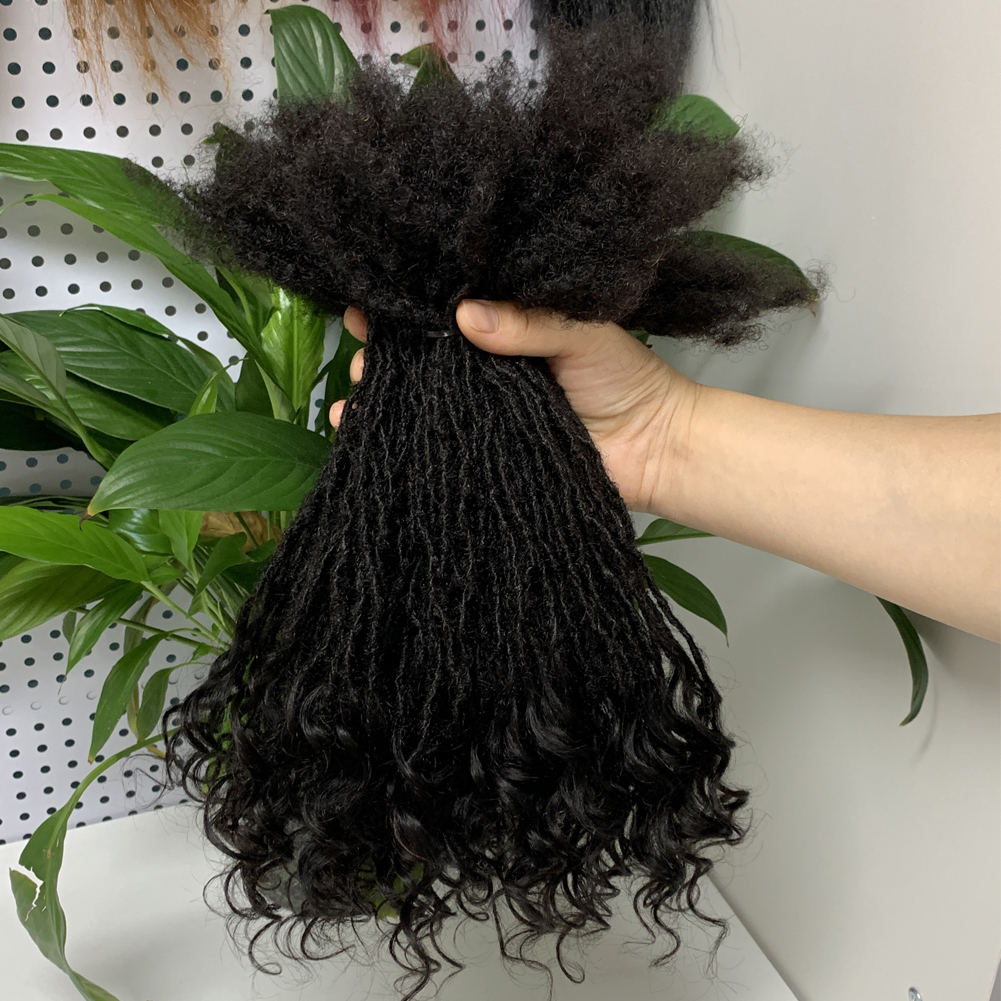
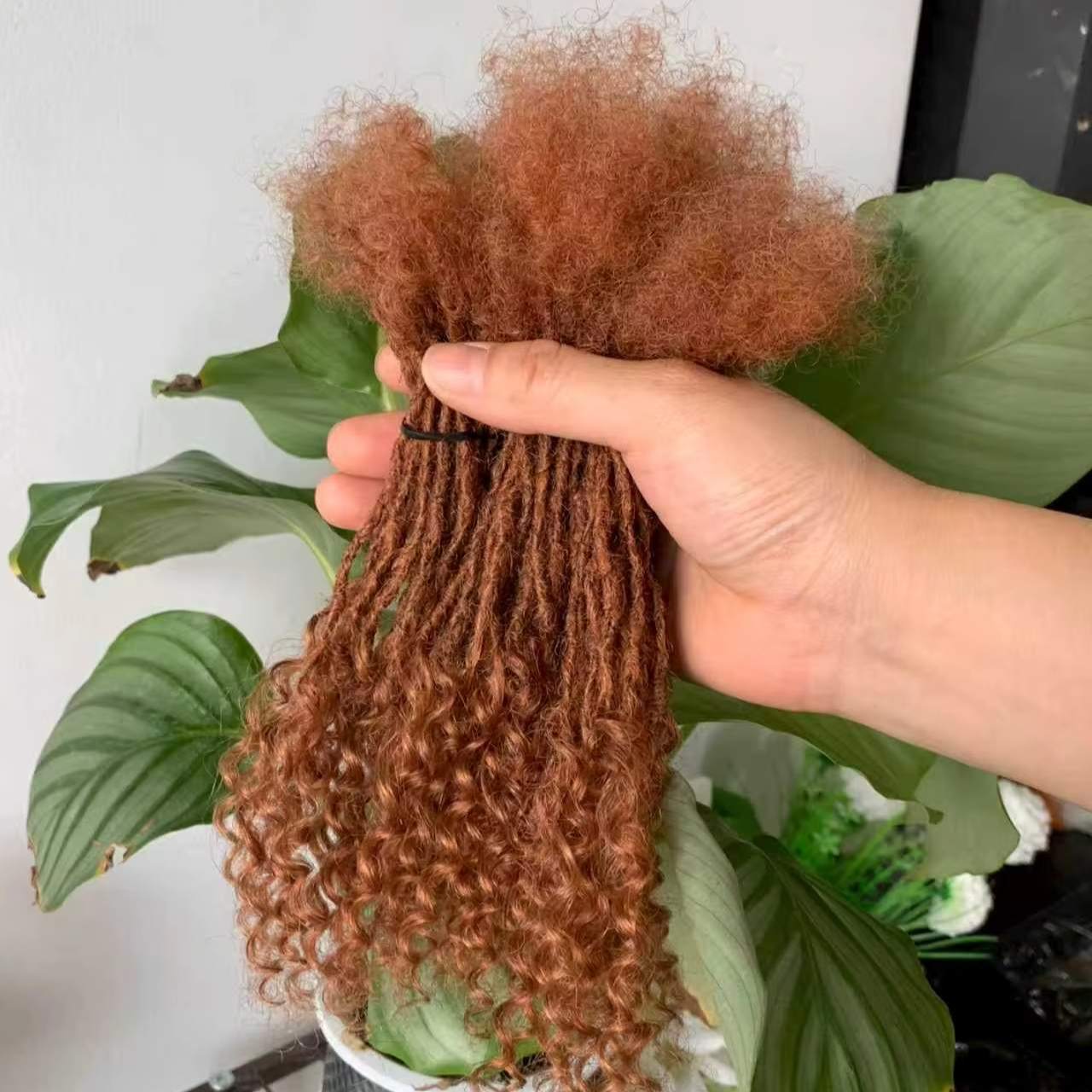
Handcrafted hair capacity behaves differently from machine capacity. Output scales with trained artisan hours, so a factory cannot simply add a shift when peak season arrives - and distributors who plan as if it can are the ones who miss their windows.
1. Artisan Hours Are the Real Constraint
Interlocked and micro loc SKUs are produced strand by strand by trained hands. Throughput is therefore linear in available artisan hours, and those hours are committed to whichever orders hold a slot.
This is why a modest increase in order size can stretch lead time disproportionately during a busy period, while the same increase in a quiet period passes almost unnoticed.
2. How Slots Get Allocated
Factories allocate production into sequential time blocks. Once the peak-period blocks are assigned, later enquiries are quoted against post-peak availability, regardless of the order value.
The practical implication is that the commitment that secures capacity is the slot reservation, not the purchase order. Interest expressed without a dated commitment does not hold capacity.
3. Planning Backwards From Your Window
Work backwards from the date the goods must be sellable: subtract transit, subtract buffer, subtract production. The resulting date is when the slot must be reserved, and it is usually earlier than distributors assume.
Building in a buffer is not inefficiency here. It is the only control you hold over a capacity-constrained lead time.
4. Holding Capacity Across Seasons
Distributors who commit to a repeating production rhythm - even at moderate volume - get better peak-period treatment than those who appear only when demand spikes, because their hours are already in the plan.
Discuss your forward calendar and reserve slots against it rather than enquiring availability once demand is already visible.