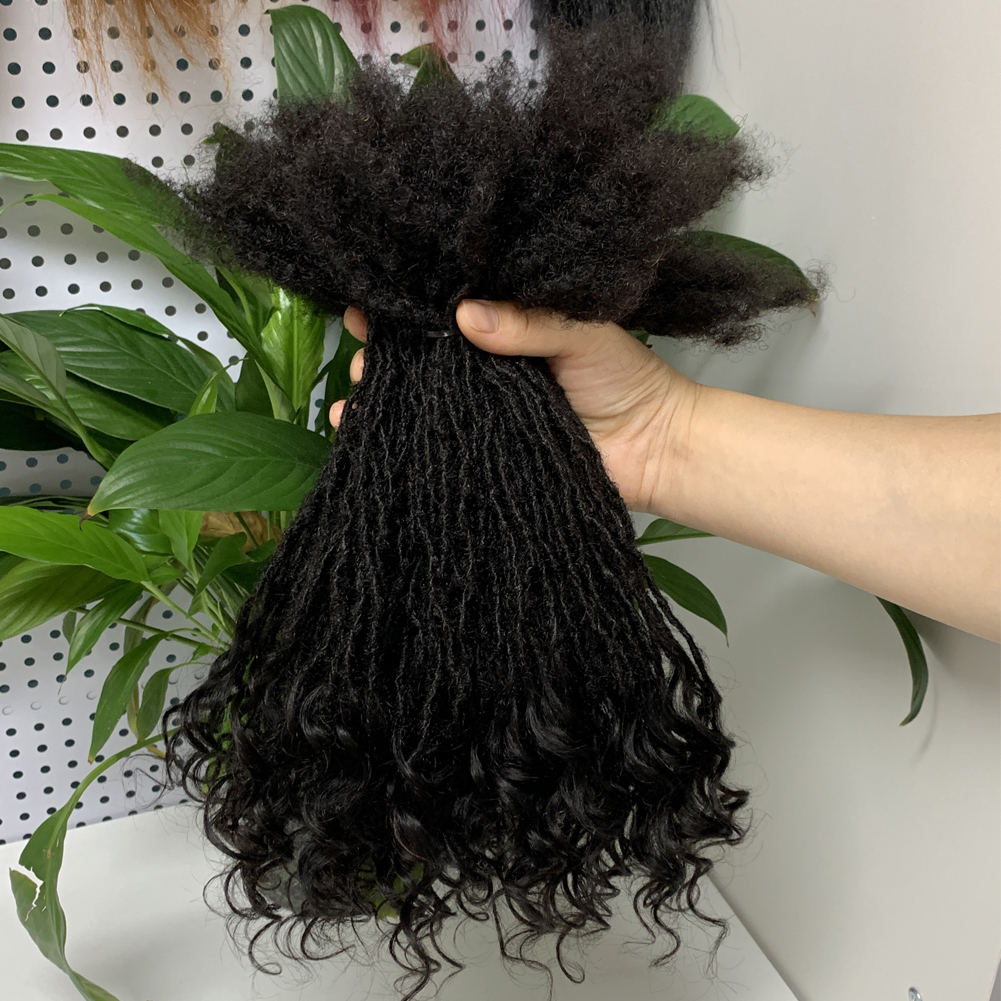
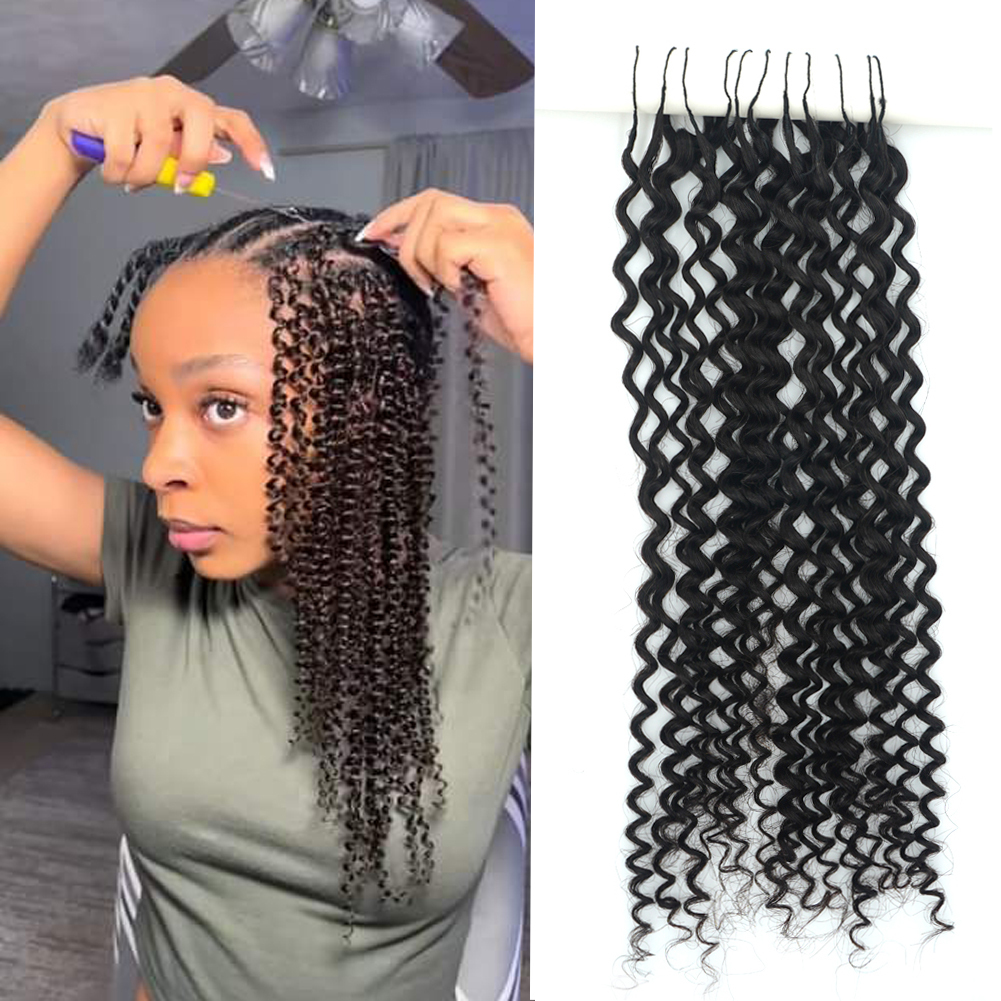
Nearly every bulk dispute traces back to a sample that was approved without anyone defining what the approval covered. The factory built to what it measured; the buyer expected what they saw.
1. A Sample Certifies Only What Was Measured
Approving a swatch confirms appearance in one lighting condition. It does not confirm weight tolerance, bundle density, strand count at the root, moisture content on arrival, or behaviour after washing. Those have to be written down separately or they are not part of the agreement.
2. Turning the Sample Into a Written Spec
A workable bulk hair spec covers: length measured under tension or relaxed (state which), weight per bundle with an acceptable tolerance, colour reference with the retained physical standard, curl or wave pattern with a reference photograph and a stated pattern family, and the finishing method for locs or tips.
Keep it short enough to be checked at the loading dock. A spec that requires laboratory equipment to verify will not be verified.
3. Sealing and Retaining the Golden Sample
Retain at least two identical sealed samples: one held by the buyer, one held by the factory. Seal them so that opening is evident, record the date and the lot, and photograph the sealed state.
The seal matters more than the sample. An unsealed reference slowly absorbs handling, light and humidity until it no longer represents what was approved.
4. Pre-Shipment Comparison and Sign-Off
Before the balance payment, compare production against the retained reference under fixed lighting and record the comparison in writing. Where a deviation is acceptable, note it explicitly and adjust the price or the claim position consciously rather than discovering it at the destination.
5. When the Match Cannot Be Exact
Unprocessed hair varies. The question is not whether deviation exists but whether it was anticipated. A supplier that reports a lot shift before shipping is behaving correctly; a programme that treats any shift as a defect will eventually have no suppliers willing to quote.