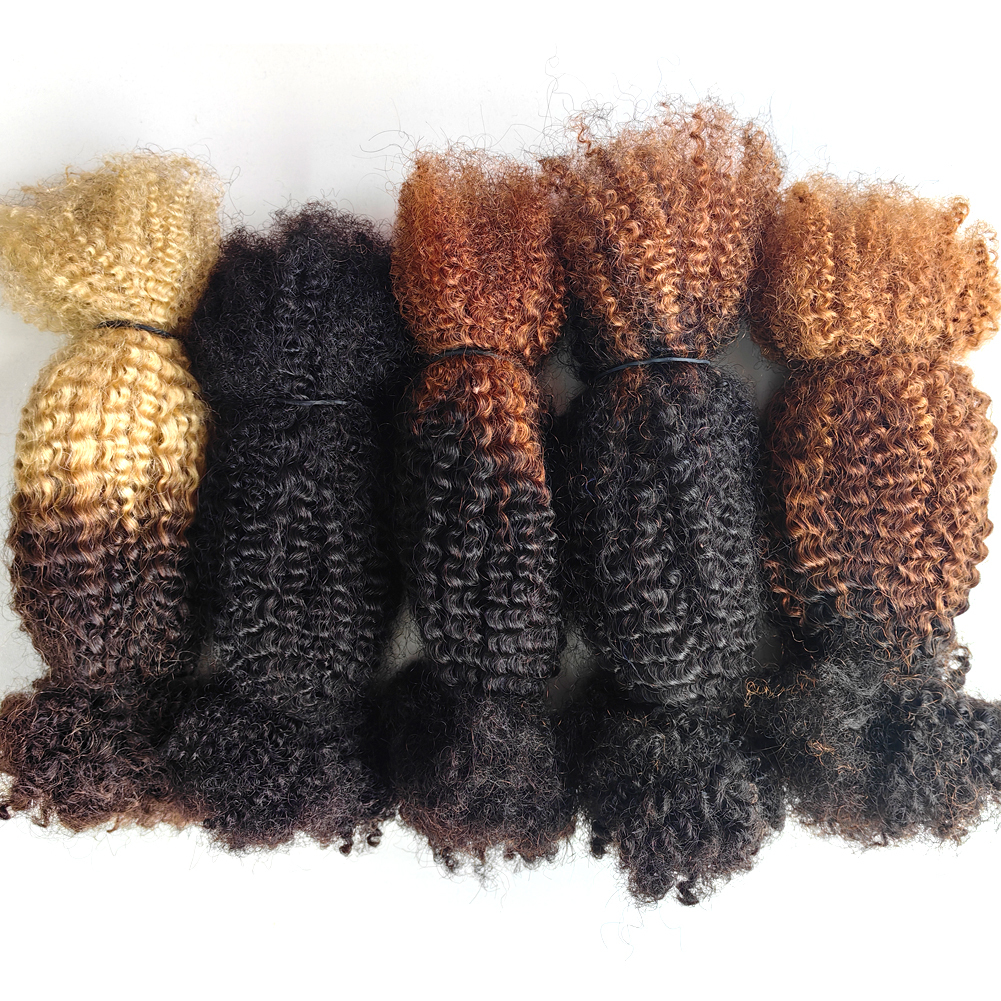
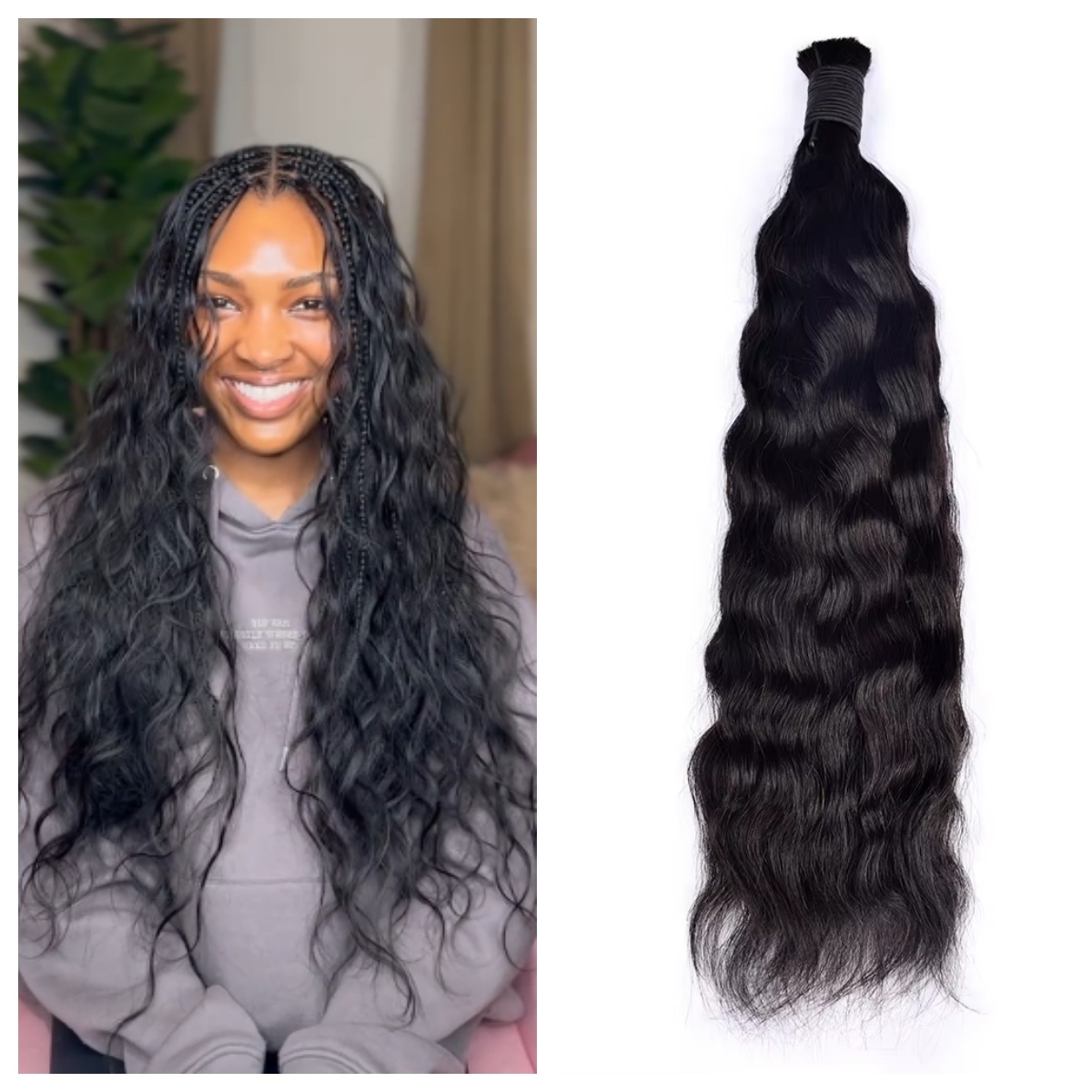
Tangling is the most contested defect in the hair trade because the same symptom has three different causes: manufacturing, installation, and aftercare. Determining which one applies decides who pays.
1. The Diagnostic Sequence
Test in this order: cuticle direction, product residue, installation tension, and only then the fibre itself. Running the tests in a different order usually contaminates the evidence, because product build-up mimics a cuticle fault convincingly.
2. The Cuticle Direction Test
Take a small section, hold it at the root end and run fingers down toward the tip, then repeat from the tip upward. A correctly aligned bundle feels smooth in one direction and resistant in the other. A bundle that resists in both directions, or feels equally smooth in both, has mixed or stripped cuticle.
Where the bundle is processed as non-remy, this test produces a different result by design — the comparison must be against the specification the buyer actually ordered, not against remy expectations.
3. Product Residue and Aftercare
Silicone-heavy serums coat the cuticle and temporarily smooth it, then accumulate at the mid-lengths and cause exactly the matting attributed to the hair. Ask for the aftercare routine and the wash frequency before accepting a defect claim.
4. Installation Tension and Section Size
Over-large sections and excess tension create friction points that no cuticle quality can survive. The most common salon-side cause is a braid or loc base too large for the volume of hair installed.
5. Documenting for the Dispute
Photograph the test, record the wash history, and retain the sample. A supplier can only accept or reject a claim on evidence; a description of "it tangled" will be resolved by whoever is more persistent rather than whoever is correct.