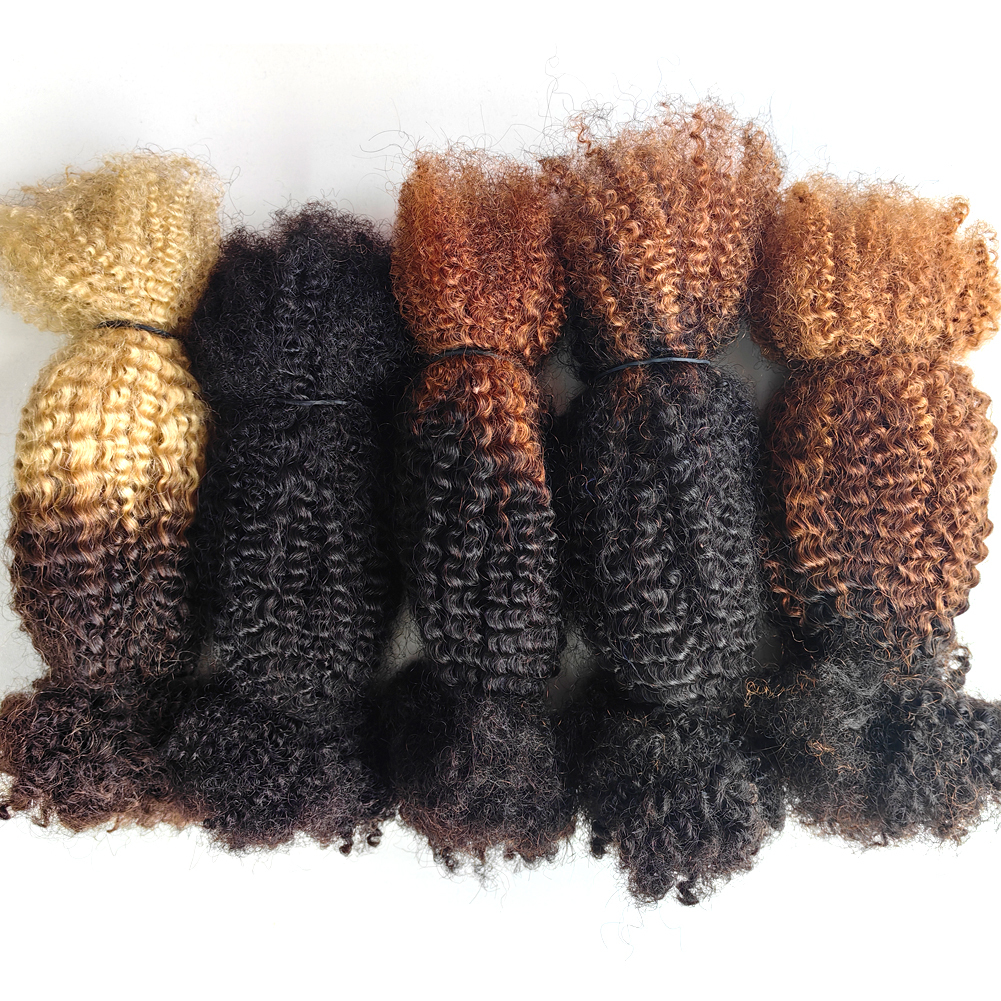
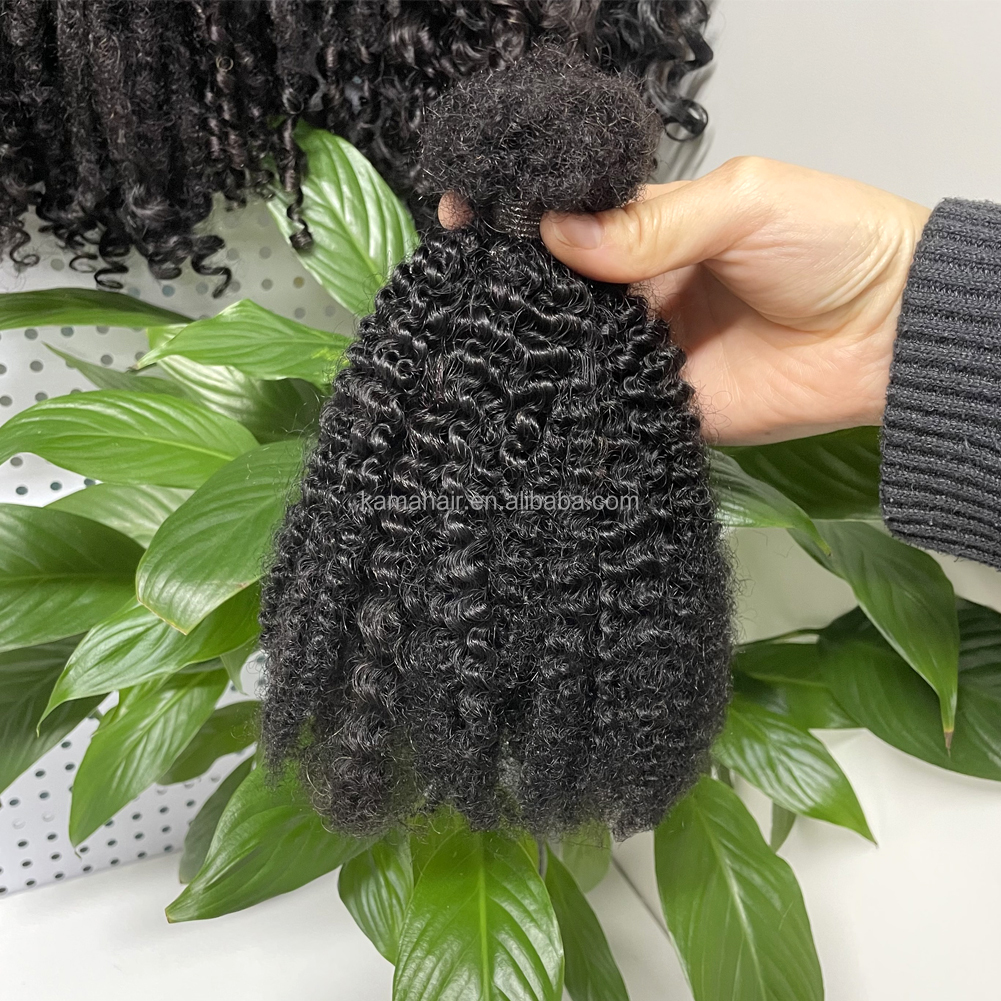
Hair distribution is a working capital business dressed up as a product business. The inventory turns quickly once it lands, but the money that funds a restock is committed long before the goods are sellable.
1. The Three Legs of the Cycle
Cash sits in three sequential places: the production deposit, the factory lead time, and the transit period. The cash conversion cycle is the sum of these plus the time your own customers take to pay.
Shortening any one leg improves cash flow, but the largest lever is usually the overlap between them rather than the length of any single stage.
2. Why Handcrafted Loc SKUs Stretch the Cycle
Made-to-order loc production cannot be pulled forward cheaply, because capacity is limited by artisan hours rather than machine time. Committing earlier therefore ties up cash earlier, which is the opposite of the flexibility stock items offer.
This is the argument for holding loc stock at a buffer level and reserving made-to-order production for custom specification, rather than running both on the same reorder trigger.
3. Overlapping Restocks Instead of Batching Them
Ordering in rhythm - a partial quantity on a repeating interval - keeps goods flowing without requiring a single large cash commitment. The cost is more frequent consignments and slightly higher per-shipment freight.
Whether that trade is worth taking depends on how quickly the fastest SKU sells through. That sell-through rate should drive the order interval, not a fixed calendar.
4. Separating Fast and Slow Movers
Apply the rolling restock rhythm to proven fast movers and buy slow movers to order. Financing speculative stock in a slow-moving SKU is the most common way distributors convert profit into shelf inventory.
Review the split each quarter, because fast and slow movers change with season and with destination market. Payment structure and deposit terms should be agreed against your cash cycle, so discuss terms directly when you request a quotation.